Designing Small Spaces

Decorating a small space can be tricky. It’s important to understand the key factors and the common misconceptions when it comes to decorating small spaces. Get inspired and learn how to make the most of your small-space situation with these top tips and design ideas.
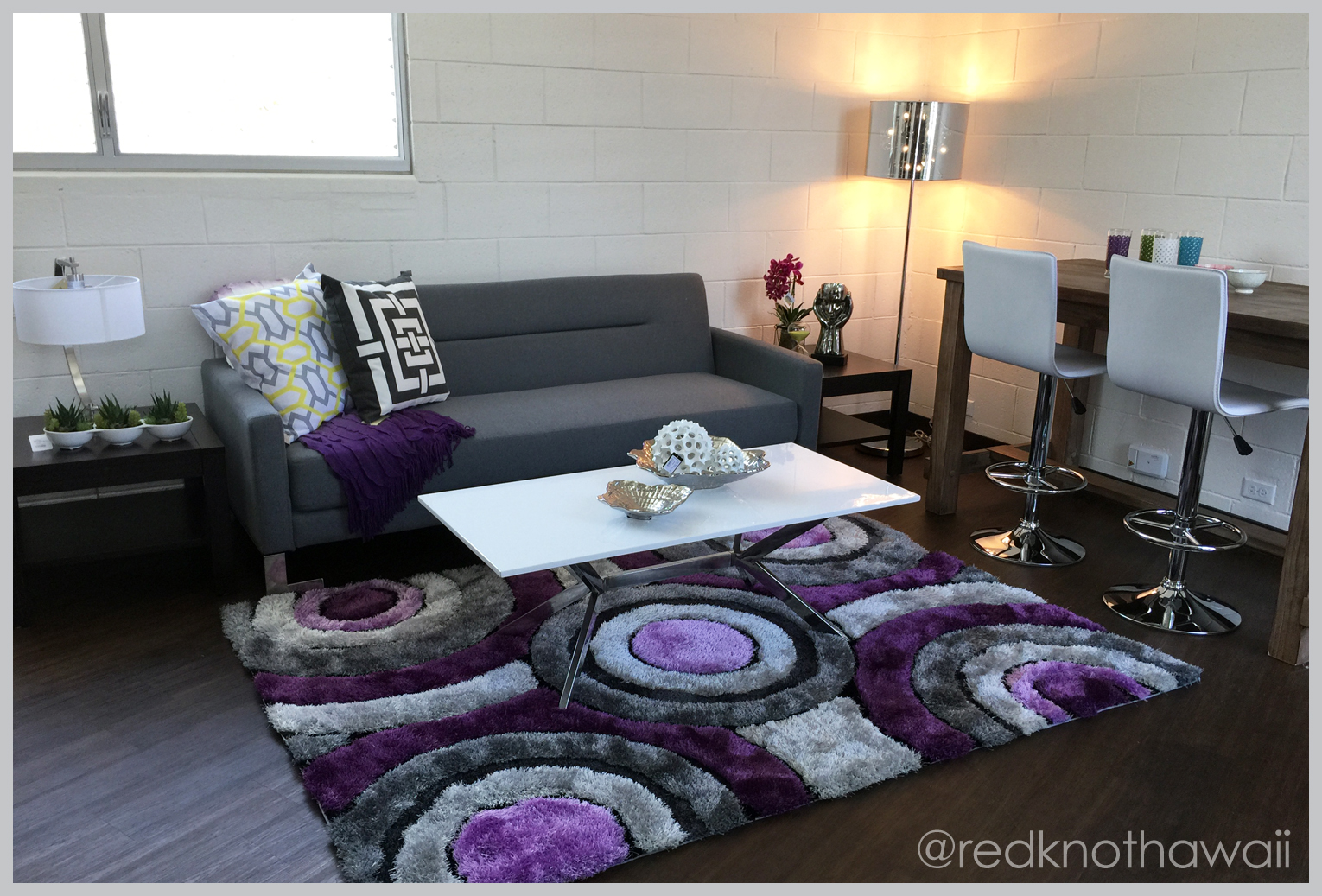
IMG_0706

Tip #1
KNOW YOUR STUFF!
There are a few things you need to know before you get started. First is the measurement of the space- by knowing your dimensions, you will know your space limitations. Also, determine the purpose or function of the room. Who will be using the room, for what, when, and how? Is it a playroom for the kids, will it be a home office, a family or guest room? It’s also important to understand the traffic flow of the space as it relates to adjoining rooms, doorways, windows, etc. One way that you can take all of these elements into consideration – size, purpose of the room and traffic flow- is by designing a room plan. Eventually, you will need a visual of the space you are designing, and it makes it easier to work with once you have a sketch of the space. Know that at Red Knot, we offer a service that allows you to create a room plan with one of our team members to make your furniture shopping much more fun and enjoyable!

Tip #2
DON’T BE FOOLED BY MISCONCEPTIONS
There are some myths of do’s and don’ts when designing small spaces.
a. MYTH- DO select only light colors such as whites, creams or light beiges because it gives a sense of spaciousness into the room. TRUTH- It’s okay to use color to give the space life and personality. Yes, lighter tones enhance airiness, but using pops of color add personality to the décor.
b. MYTH- DON’T use bold prints and textures. TRUTH- Like colors, adding a graphic print will add depth and personality. Without texture, the space gets very boring. Using bold pillows and rugs can pull a room together and make it complete.
c. MYTH- DO keep an open concept approach. TRUTH- It’s best to identify areas within the space to have purpose. If not, the space will look messy and undefined.
d. MYTH- DO place furniture against the wall. TRUTH- Putting furniture against the wall constricts the space, making it seem smaller. If possible, pull furniture away from the wall as it creates depth and sense of larger space.

Tip #3
THINK OF DIFFERENT WAYS TO MAXIMIZE SPACE
In a small space, make room for function. Choose pieces with multifunction capabilities. Consider versatile pieces such as futon sleepers, storage bed frames, convertible dining tables and nesting tables to name a few. Choose flexible furniture that allows you to change the layout of the furniture. Being able to move things around makes you feel less beholden and cramped.” Organization through vertical storage and bookcases not only hide clutter and but also makes the ceiling appear higher! Small furniture emphasize that the room is small, so go bigger with your furniture selection. Furniture with big statements make small rooms feel more spacious. Larger furniture will trick the eye into thinking that the space is larger.
While doing so, keep in mind to keep the silhouette of the furniture slim. Select upholstery with thin arms, dining table with slim legs and case goods with simple, clean lines.

Remember that tiny spaces don’t have to sacrifice comfort or style. You don’t have to decorate a small space based solely on function. Be creative- let the room, no matter the size, reflect your personality and your style!

Last Friday, Red Knot had the opportunity to be featured in Living808, where we shared some tips on how to design and maximize small spaces. To view: how-to-decorate-and-maximize-a-small-space-in-your-home

Come visit us at Red Knot and we’ll help to decorate your space!

Color We Love – Green!

Here at Red Knot we do color. Lots of color! And since spring is in the air, we are celebrating one of our favorite colors by going (bright) green!

A mixture of yellow and blue, the color green is a secondary color on the color wheel. Since yellow is a warm color and blue is a cool color, green is considered the color of balance.  There are more shades of green more than any other color – the range is almost infinite.

GreenPallette

Green can look completely different depending on the balance of yellow and blue. The brightness can be muted by mixing in white or gray, but can be turned into a dramatic and more masculine hue by mixing in black.

Physically, green is believed to mentally soothe and encourage relaxation. The color works beautifully in spas, doctor’s offices and health clinics. It is the most restful color to the eye optically because of its neutral spectral wavelength. It is also the color used for night-vision goggles because the human eye is most sensitive to and able to distinguish the most shades of that color. Psychologically, green is believed to alleviate depression and reduce nervousness and anxiety. No longer just a color, the term “green” is universally associated with Mother Nature and the mentality that we should be taking care of our environment.

Don’t be afraid to use green when it comes to home furnishing and design. Because of its placement in the color wheel, green can match virtually anything. It can be a pop of color in a room through accent pieces, but it can most definitely be the focal point of the space as well!

Some of our favorites here at RK are below.

Go Green


Did you know that traffic lights ALL over the world are green?

So don’t stop, and go… green! 🙂

Let’s Talk Texture!

In home furnishing, there are different types of textures and textiles.  Below are some of the industry’s basic textures and some FYIs to assist you in making the decision between one or another.


CottonSofa1
COTTON
Cotton is the world’s oldest and most used fiber, making up 50% of the textile industry. It is highly versatile, being available in a huge range of different colors and prints. Cotton is a plant-based fiber and varies in thickness and length depending on the species of cotton. Organic cotton can be used in upholstery fabric and is considered renewable resource.
DURABILITY: Cotton fabric is absorbent, breathable, soft to touch and static resistant. Upholstered cotton will feel good against your skin no matter the temperature or the humidity. It is also cost efficient.
DRAWBACKS: Cotton is not wrinkle resistant, and prone to shrinking (when wet) and stretching. Cotton is highly vulnerable to sunlight, causing it fade over time. It is also prone to staining because of its great absorbency characteristic.
CARE: Always blot spills immediately. Do not rub! Spot clean with a damp cloth or sponge, and let air dry. Keep out cotton from direct sunlight to prevent fading.

*******

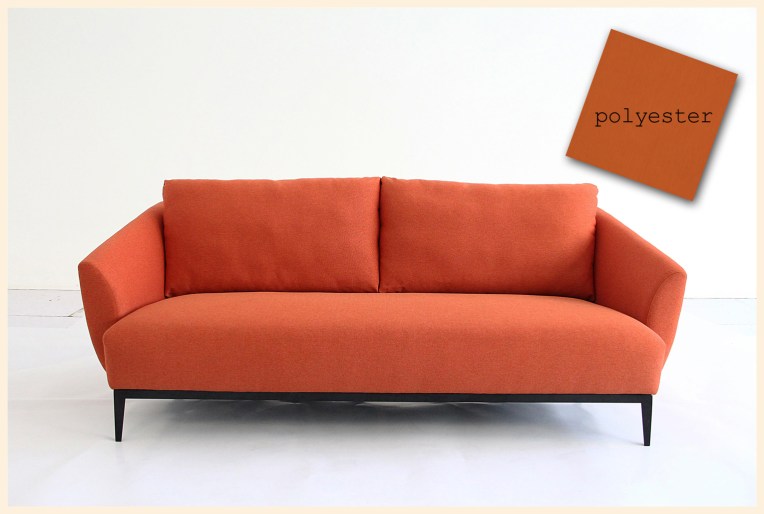
 Polyester1

POLYESTER
Unlike cotton, polyester is a man-made fiber. Microfiber, a fabric popular in the home furnishing industry, is made of 100% polyester. It has a suede-like texture, almost like a rich, velvety feel.
DURABILITY: Known for its durability, polyester has high strength, excellent resiliency, and a high abrasion resistance. Low absorbency allows the fiber to dry quickly. It is resistant to shrinking, stretching and creasing. Unlike cotton, it is resistant to sun-fading. High-resiliency helps to prevent the saggy look some sofas get as they age. Microfiber is water repellent and handles spills well by keeping them on the surface rather than soaking them in.
DRAWBACKS: Polyester is a product of the petroleum industry- it is not considered organic or from renewable resources. It is vulnerable to high temperature, heat and burns.
CARE: Clean with a soft cloth, water and mild liquid soap. Because of its weakness to heat, avoid removing cushion covers and putting them through the drier. Also avoid other heat sources such as curling irons or lit cigarettes from coming in contact with the sofa.

*******

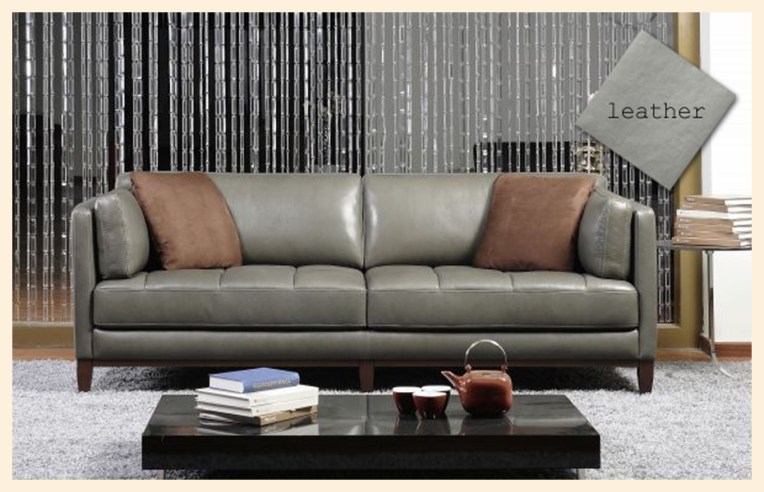
Leather1

LEATHER
Leather is a natural product, made from animal skin. It is the most expensive cover used in upholsteries. Leather is luxurious, sophisticated and eludes an aura of prestige. It will never look dated and over time will develop character, a great advantage when it comes to longevity and value. There are upholsteries that are matched leather (100% leather on the seating area and vinyl on sides and back) and all leather (seating area, sides and back are 100% leather).
DURABILITY: Leather is exceptionally durable and long lasting- the longer you have it, the leather will become softer and more comfortable. It will even develop it’s own patina.  It is resistant to tearing and easy to clean. Leather does not attract or collect dust and is resistant to dust mites.
DRAWBACKS: Leather adjusts to your body temperature, so it gets really sticky and uncomfortable in hot weather conditions.
CARE: In general, leather sofas are easier to keep clean than fabric. a regular vacuum and a damp cloth is all you need. Proper conditioning will also help to protect and prolong the life of your leather upholstery.

 *******

Wood

WOOD
Wood has many uses and purposes, and is a favorite choice in home furnishing. They are divided into three types- hardwood, softwood or engineered wood. One of the factors determining the quality of your furniture is the type of wood. There are also wood veneers. A veneer is a thin piece of premium, high-quality wood over a lower quality piece of wood.
DURABILITY: Hardwood (deciduous trees) includes oak, mahogany, cherry, teak and birch. These are the most durable as they have strength and stability. Softwood (coniferous trees) includes pine and redwood. They are easier to carve and craft. Engineered wood includes plywood and particleboard/fiberboard. Plywood will have 3-5 thin pieces of wood glued together, and particleboard is created from milled lumber. They are less susceptible to splitting or warping. Veneers are used even in expensive, high-quality furniture so don’t be fooled by the term.
DRAWBACKS: Hardwood is not easily carved or crafted. Softwoods are more prone to scratches, marks and dents. Engineered wood does not last as long as hardwood. Fiberboards will soak up water and other liquids causing it to swell. A wood veneer is so thin that it is limited to the number of times an item can be refinished.
CARE: Dust thoroughly using a feather duster, lint-free/microfiber cloth or terry towel. Do not clean wood with water, or use all-purpose cleaning sprays. Instead, use a paste or wax that is made specifically for wood furniture. For slight scratches, use a felt-tip touch-up pen to fill in scratches.

******

Melamine

MELAMINE
Melamine is plastic resin created with formaldehyde and hardened through a heating process. It comes in a large variety of colors and patterns, and is applied to wood or particle board to make melamine furniture.
DURABILITY: Melamine is flame-resistant and is used in aprons, thermal liners and firefighters’ uniforms. It has a very smooth texture and will not scratch as easily as a veneer. It is also environmentally friendly as most melamine is used over particle board, a recyclable material.
DRAWBACK: Melamine is flat and cannot be curved at all.
CARE: Remove all dust thoroughly either using a duster or a damp washcloth. Use mild soap and water as your homemade cleaner solution- avoid using household cleaning products. Use a sponge to wipe down sprayed solution, then a dry cloth or paper towel to wipe away your cleanser. Clean once or twice a month.

******

Lacquer

LACQUER
Wood furniture takes on a different look and protection with lacquer finishing. Lacquer is a type of sprayed-on finish giving furniture a smooth texture and high-gloss look. Lacquer is often mistaken as a trait of modern furniture, but it actually originated in East Asia hundreds of years ago.
DURABILITY: Lacquer finish does not turn yellow, unlike shellac or polyurethane. It also last longer without flaking or chipping.
DRAWBACKS: Like any varnish, lacquer finish is vulnerable to scratches. Select lacquered furniture that requires little to no day-to-day use of its tabletop.
CARE: Clean with liquid soap and warm water, and dry with non-abrasive cloth.

Spring Break!

Everyone loves to dream about their next vacation.
Whether you’re looking for a blast of sunlight to recharge or some outdoor winter fun.  Let’s say yes to a full week rejuvenation with our destination picks for an unforgettable Spring Break.

nassau-bahamas-
NASSAU, BAHAMAS
The Bahamas is known for its breathtaking beaches.  Nassau, its capital city, is a popular destination for shopping, dining, entertainment and of course, beach activities.  Things to do: Boat trips, snorkeling, guided tours and shopping in busy Bay Street.  For James Bond fans, visit the British Colonial Hotel, where they filmed two of the Sean Connery-era movies.    Fun Fact: As part of its rich history, Nassau was a home base for pirates for many of years and yes, that includes Blackbeard.


*****

Philipsburg-StMartin2 PHILIPSBURG, ST. MARTEEN
An island on Northeast Carribean, St. Marteen (or St. Martin) is divided between France and the Kingdom of Netherlands.  Phillipsburg is the Dutch Capitol with old renovated buildings and typical Antillean architecture. Things to do: Soak up the sun in their sugary white beaches such as the Great Beach Bay and Orient Bay.  For shopaholics, visit Frontstreet and Backstreet, the  main streets that are crammed with retail shops.  As a leading duty-free port, St. Marteen offers over 500 duty free shops for up to 50% below U.S prices.  Love butterflies?  Experience the dazzling world of St. Marteen’s Butterfly Farm.  Fun Fact– At 37 square miles, St. Marteen is the smallest land mass in the world to be shared by two countries – the lack of conflict creates an unusual serenity which makes it even more appealing to visitors.


*****

MontegoBayJamaica
MONTEGO BAY, JAMAICA
Reggae music? Check.  Rum punch?  Check.  Tasty jerk chicken? Check.  The sun never sets at Montego Bay, Jamaica!  Montego Bay, or “MoBay” for short, is the second largest city in Jamaica.  Beautiful perfect white sand beaches, backed by picturesque low mountains, MoBay is the tourist capital of Jamaica.  Topping it is the laidback culture of the Jamaican people that will put your mind at ease.  Things to do:   Doctor’s Cave Beach, with its clear and calm waters believed to have powers of luring visitors from around the world.  Hipsters and artists, check out Montego Bay’s “Hip Strip”- Gloucester Avenue.  The strip is filled with art galleries, coffee shops and souvenir stores. Go bamboo rafting at Martha Brae Rafter’s Village and learn about tropical flora and fauna.  Feeling brave? Visit the haunted house of Annie Palmer, The Rose Hall Great House and learn about the mistress of voodoo.  Fun Fact:  Montego Bay is also called “the friendly city” because of the warmth and friendliness of the locals.

*****

OLYMPUS DIGITAL CAMERA
HEAVENLY, SOUTH LAKE TAHOE
Living in Hawaii, sometimes you may want to walk away from the sunny life in paradise and experience something different.  Different, like, somewhere cold, where it snows, and maybe you can even do snow activities.   Heavenly, Lake Tahoe is just the place.  Things to do:   Ride the gondola to Heavenly slopes where you can ski and snowboard, with your choice of terrain variety–more than any Lake Tahoe resort.  For less or non-experienced snow-goers, classes are available.  Shop at the Heavenly Village shops for fun stores like Rocket Fizz and Sock City – candies and socks for days!  Walk on over to the other side of Heavenly, and there is Reno, Nevada, where Harveys and Harrahs casinos are (conveniently) located.  You read that right.  You can be in two states at one time!  Fun Fact:  Lake Tahoe is surrounded by the Sierra Nevada mountain range,  a beauty created by nature that the Washoe Indians called it “The Lake of the Sky”.   Up in the Heavenly mountains, you can see a spectacular view of Lake Tahoe.


*****

miami-beach-florida-1

MIAMI, FLORIDA
Miami is one of the nation’s and the world’s most popular vacation spots.   No wonder Will Smith wrote and sang a song about partying in “the city where the heat is on!”  Besides having the largest cruise ship port in the world, Miami also has the largest collection of Art Deco architecture.  She boasts more than 800 buildings in Miami Beach’s Art Deco district.  Things to do: Miami offers a little bit of everything, from serene beaches to art and food festivals, to the lures of deep-sea fishing and golfing, to the trendy nightlife of South Beach.  Nikki Beach Club and Key Biscayne are great hangouts, for the partygoer and the introverts, respectively.  Little Havana gives you a taste of Cuba, while Viszcaya Museum and Gardens invite you to a fairytale experience with its European-style palace.  For clubhoppers, SL Miami, Liv, Cameo, Skybar, and Mynt Lounge are some of their swankiest nightclubs.  Fun Fact: The first suntan lotion was invented in 1944 by Miami Beach pharmacist Benjamin Green.

*****

Las-Vegas-Nevada-The-Strip

LAS VEGAS, NEVADA
What happens in Vegas, goes on instagram 😉  Known to Hawaii locals as the ninth island, Sin City, Las Vegas has evolved into one of our favorite destinations.  About 40 million tourists visit Las Vegas every year, and it’s easy to see why.  You can visit every part of the world without leaving the city.  Things to do:  Possibilities are endless in Las Vegas!  Place bets on card games or slot machines, watch dazzling and jaw-dropping shows from world-renowned entertainers, performers and magicians.  Party at the hottest nightclubs like the Tao and Hakkasan usually ventured by A-Lister celebs.  Visit museums, watch a spectacular water-based show at the Bellagio, go hiking at Red Rock Canyon, see a man-made wonder at the Wynn, go shopping at the fabulous Fashion Show Mall– you name it, Las Vegas got it!  Fun Fact:  The Las Vegas strip is the brightest place on Earth when you are looking down from outer space.


Now it’s time to let yourself unwind…  Where will you be spending your next Spring Break?

(Images courtesy of Google images)

Turn The Light On!

There’s something about having perfect lighting. Whether it be for photography, dinner parties, or even working from home– there are many different types of light you can use.  In this post we feature the characteristics of various lighting types.  Since they are all designed with a certain use in mind, let’s go over where they would work best in your home.

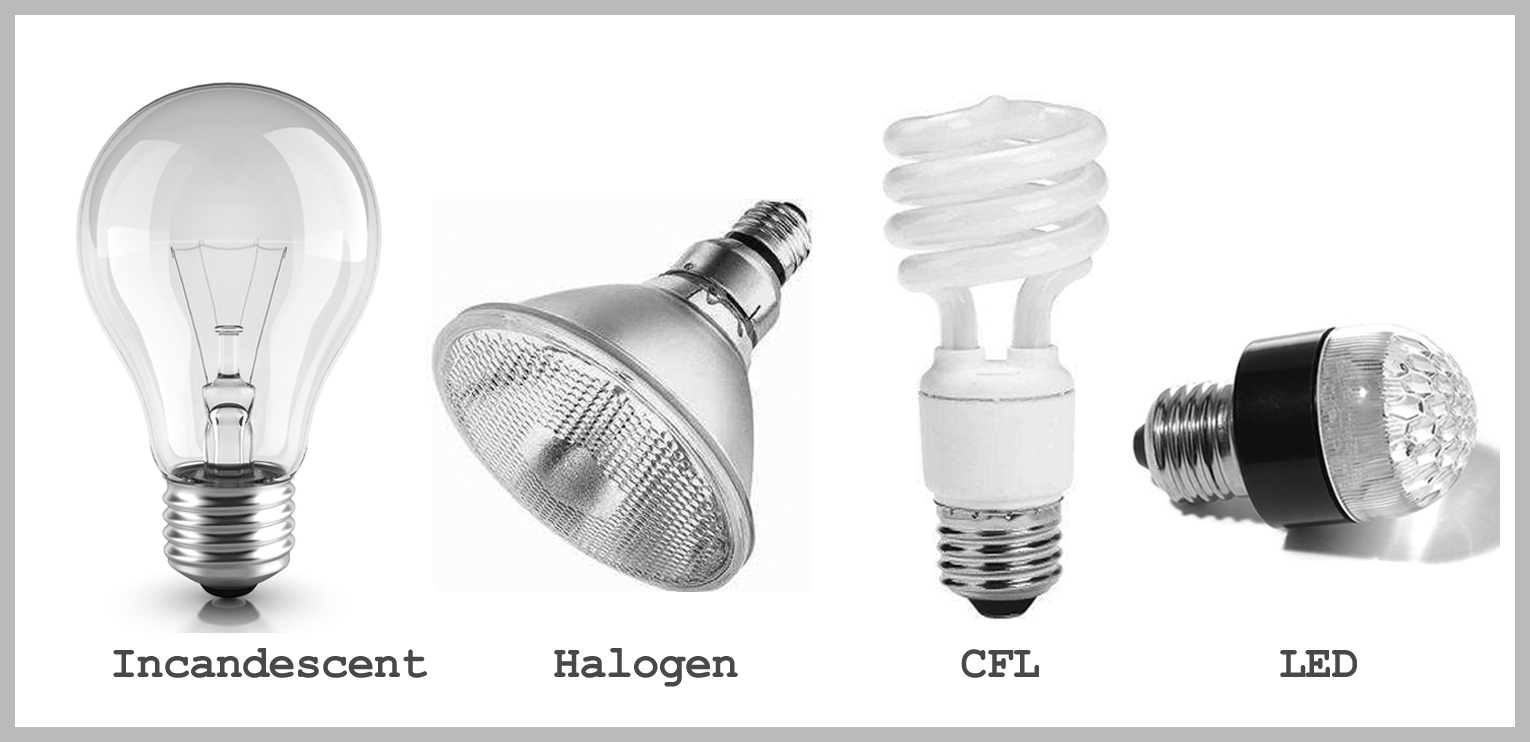
DiffLights


INCANDESCENT
The oldest form of lighting, incandescent is the most common bulb most people are familiar with. It provides a warm, steady light and is used mostly in residential applications. It is also compatible with control dimmers, timers, and photo sensors so they are also widely used in commercial lighting. Life span is between 700 – 1000 hours. Incandescent light is inexpensive to manufacture, however, it is not as energy sufficient as other lighting options.  Fun Fact- Incandescent light is on its way out, as part of the Energy Independence and Security Act (EISA) mandating that low-efficiency light bulbs be gradually removed from production. 

HALOGEN
Halogen lighting has the advantage of being more efficient and a longer life than the incandescent bulb. Halogen lights are smaller in size and are compatible with dimmers.  They are more expensive and burn at a higher temperature.  They emit “white light”, similar to natural daylight in which colors appear sharper.  Halogen bulbs are fragile, so be careful with handling- never use your bare hands to change the bulb as the oil can shorten or even end the light bulb’s lifespan.  Design Tip- Halogen bulbs are used for car headlamps and work lights. At home, they work best as under-cabinet lighting.

halogen0contemporary-kitchen

CFL
Fluorescent light gives a flat, cold light, often bluish and harsh and can also be loud and flickery.  CFLs are the compact fluorescent bulbs- they can be used anywhere you would use an incandescent light bulb.  Contrary to regular fluorescent lights, CFLs are quiet, instant-on and have warmer, color-corrected tones.  A normal lifespan is up to 10,000 hours and because of the small amount of mercury contained in the bulbs, they should be recycled when burnt out.  Unlike incandescent and halogen light, most CFL bulbs cannot be used with dimmers.  Design Tip- Use CFL bulbs for indoor and outdoor lamps, and decorative lighting.  

CFL

LED
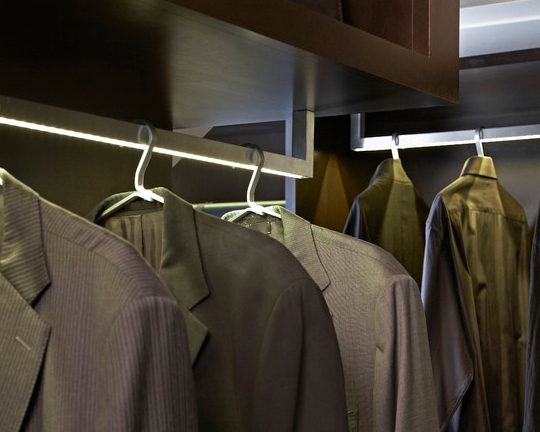
LED light, or “Light-emitting diode,” provide only directional light, making them ideal for task lighting.  They are low in power consumption and have a long life span. LEDs are small, with common colors such as amber, red, green, and blue.  Many LEDs have a rated lifespan of up to 50,000 hours.  Since LED is not diffused light, the bulb will not work solely for general room illumination.  Because of these features, LED lights provide unique design opportunities.  Design Tip- LED strip lights = unlimited DIY projects, including  illuminated closet rods.  How brilliant! 

LEDcloset

**images courtesy of houzz.com**

Let’s talk about the L word

It’s love, actually…

L-O-V-E, love.

Love is a universal word that has multiple meanings. It is an emotional state, a feeling that is so much more than we can ever explain. To some, it is complicated and undefinable. Love can be felt toward a person, an object, or an action. For most of us, we have the biological wiring to love and the need to be loved.

The official definitions of love (from Merriam – Webster) include:
(1) a strong affection for another person
(2) a warm attachment, enthusiasm or behavior
(3) the object of attachment, devotion or admiration

Here at Red Knot our most prominent form of Love is definition #2. This kind of Love happens all day, everyday. We have a LOVE for great design. We have sincere enthusiasm when it comes to stylish home furnishing and décor. Our brand is a reflection of our passion. We are dedicated to finding and sharing creative and inspiring pieces at affordable prices that you, our customers, will admire and love.

The only way we do great work here at Red Knot is by loving what we do.

Red Knot loves great design. Great design = Enthusiastic customers = Customers love Red Knot

So you can see that yes, love is interconnected and does make the world go round! 🙂

RKHeart

Last thing – here’s a little secret about love and home design —

“Live with what you LOVE.  Never settle for what you kinda like, over what you absolutely love.”

DIY – Canvas Painting

A fun & creative do-it-yourself project for artists and non-artists – Handpainted Canvases!

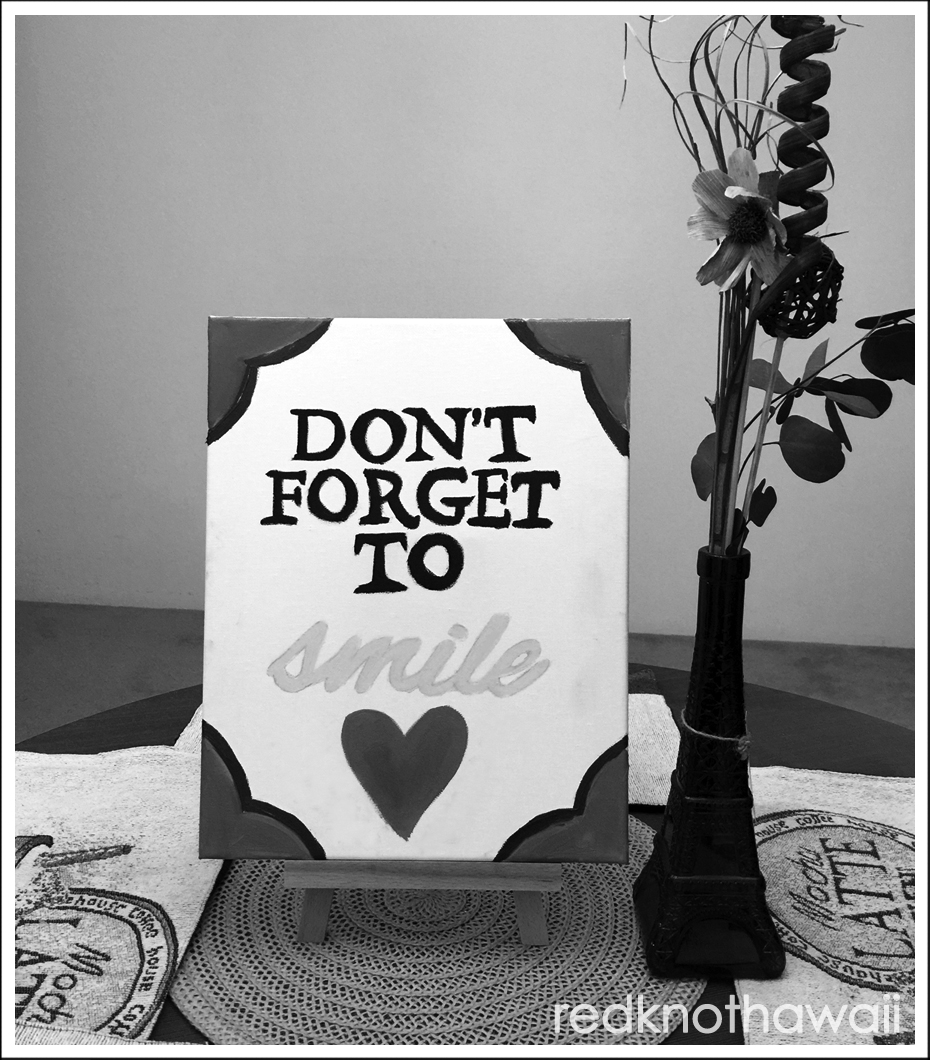
IMG_1021_ebw_logo

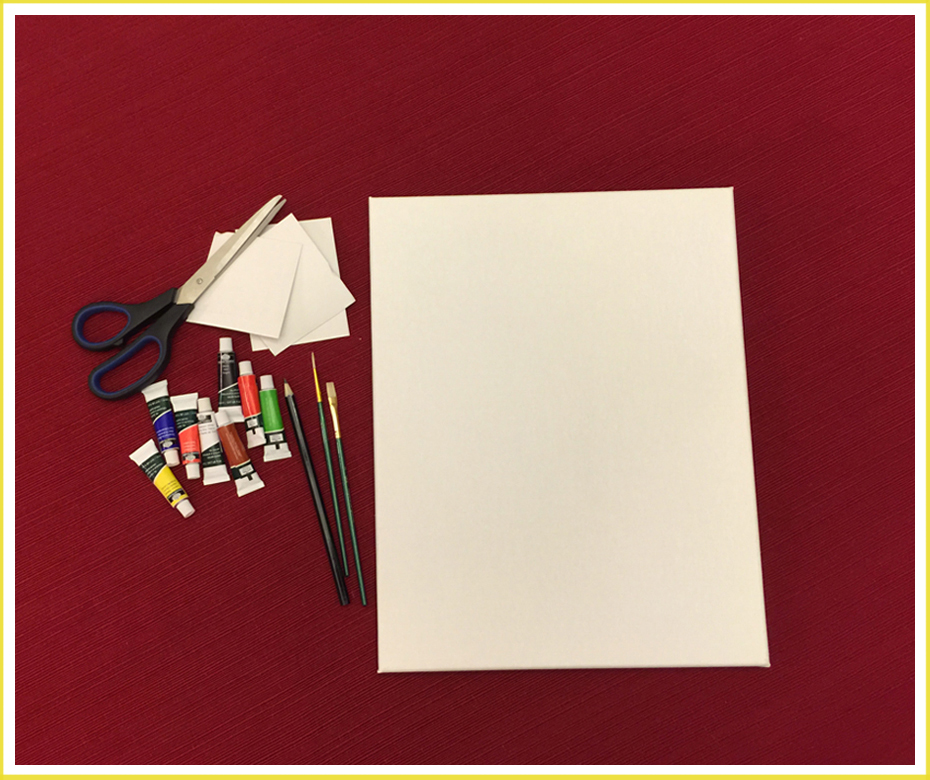
What you’ll need:

DYICanvas_Materials

Canvas (your choice of size, for this one one, we used 9×12)
Acrylic Paint
Pencil
Paintbrushes (for you ladies, old makeup brushes will also do)
Scissors
Small card stock or scratch paper

Steps:

DYICanvas_Print

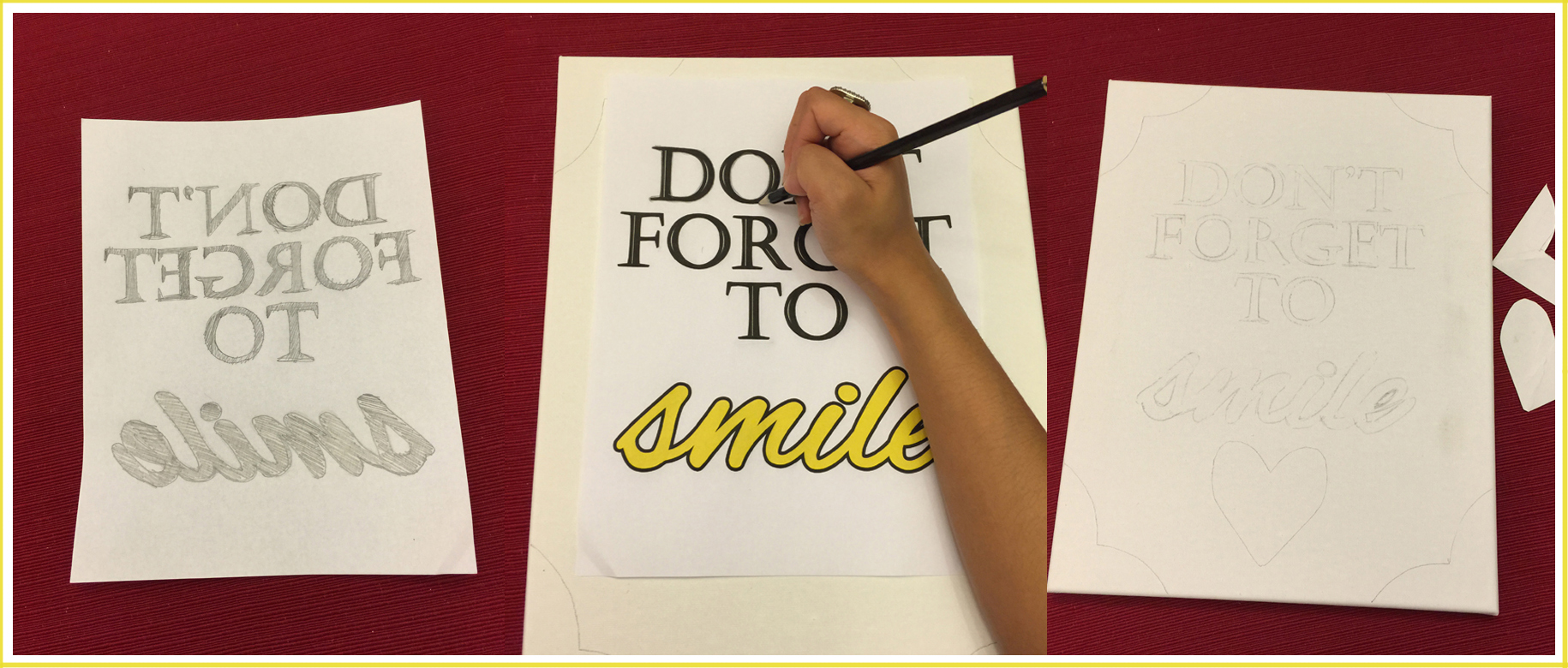
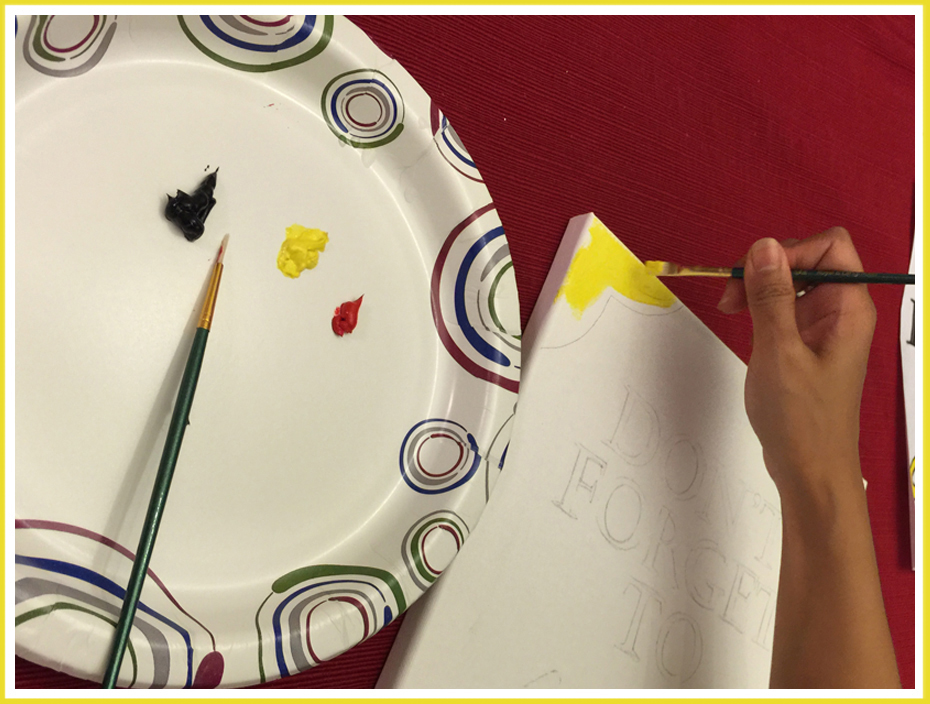
STEP 1. Create and print an image using Photoshop (or any illustration program). Use scratch paper or cardstock paper to cut any desired shape you’d like to include in your painting.


DYICanvas_Step1
STEP 2. After printing, flip paper over and using a pencil, trace dark lines over the image and lightly shade. Remember, do not trace it on the canvas – yet.

STEP 3. Flip your paper back over, and place onto your canvas. Tape sides down for better control. Using your pencil, trace back again, this time, over the image on the front. If any, trace cut shapes onto canvas.


DYICanvas_Paint
STEP 4. Now paint, and let your inner Da Vinci & Van Gogh take over!  Remember, it’s okay for your artwork to not be excessively perfect – it’s supposed to be handpainted.  You can also go back and erase pencil marks that may be still showing through.  You can always go back to add shades, more colors, anything you want.


Make this is your masterpiece.


Painted Rattan

He-ello color!  

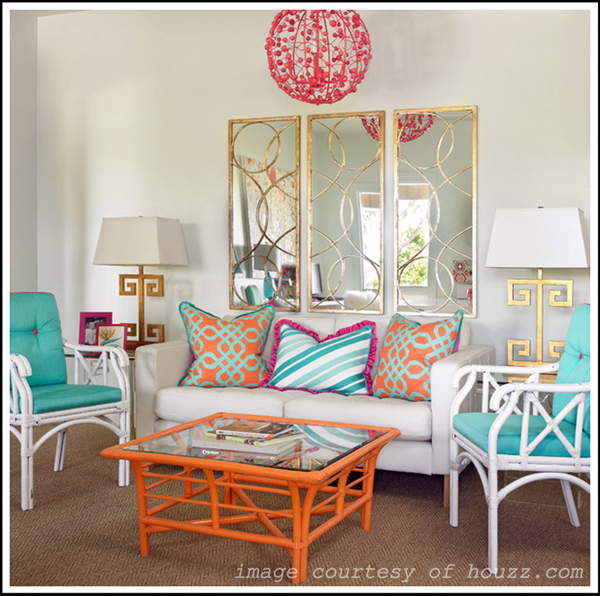
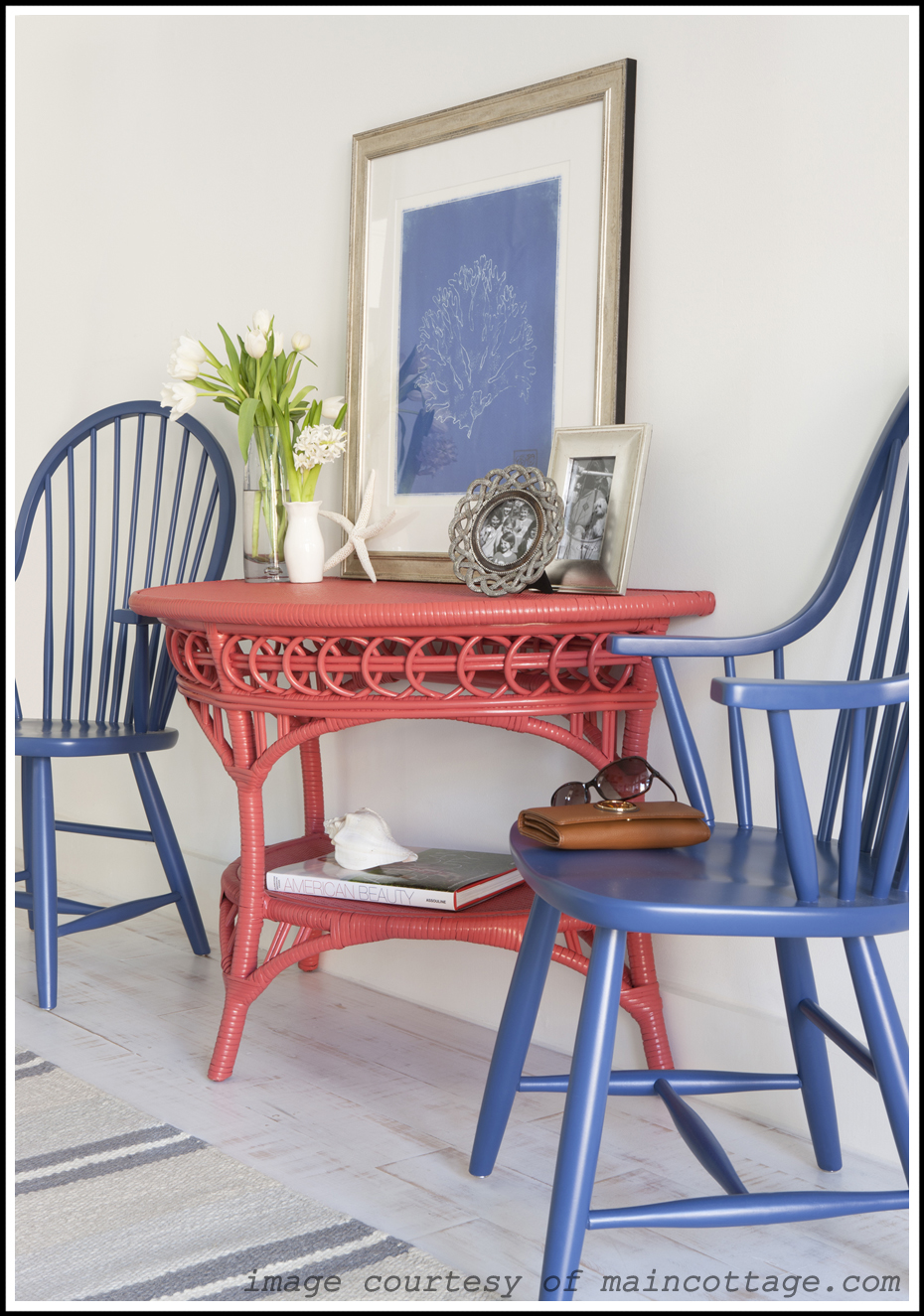
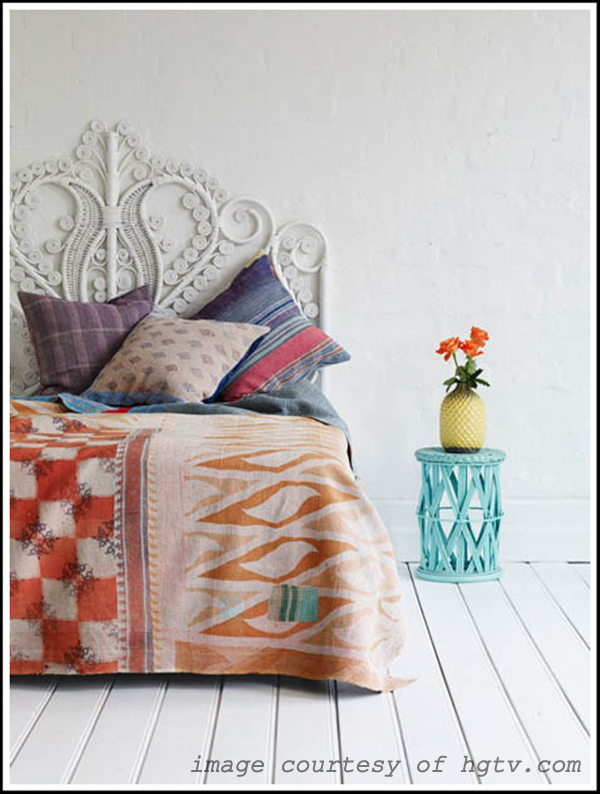
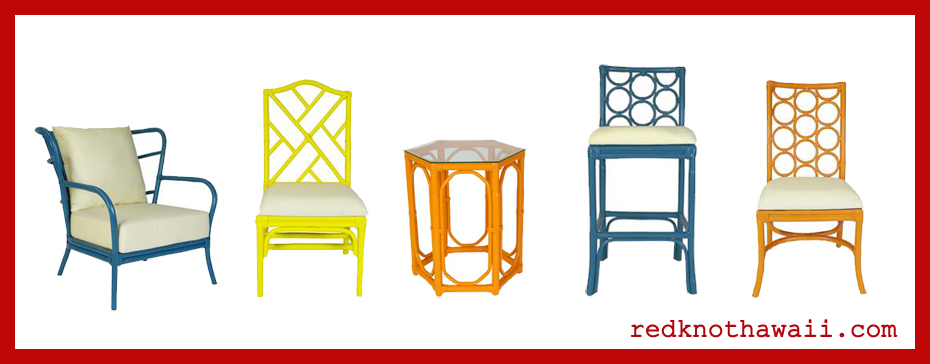
Rattan and wicker furniture are making their way back to being fun and trendy again!  We’re not talking about your Great-Aunt Anne’s patio furniture.  We’re talking bold, striking, and stylish indoor wicker and rattan furniture.  Yes…for the living room, dining room, even the bedroom.

You must think we are completely out of our minds, but let us share with you the features of painted rattan and why they work well indoors. After seeing photos of the home decor ideas we have below, you just might be swayed.

Rattan pieces can go well with any taste of design.  The different textures add an organic, durable and timeless look.  It can be incorporated into a shabby chic, tropical or coastal setting but can also switch from traditional to a whimsical environment.   Furthermore, wicker designs made of synthetic materials can create unusual shapes and innovative styles.   Like any accent piece, a pop of color will add an element of surprise.  You can bring out your inner rebel by mixing and matching colors and styles.  In our world, it’s perfectly OK to have yellow rattan dining chairs with your sleek Calem glass-top dining table.

Still not convinced?  Here’s some inspiration to get you in the mood.


RattanChair

PaintedRattan_Houzz

RattanConsole

wicker-bed1

Rattan Chair2_1

Ready to break (and make) some rules by taking the so-called “traditional” outdoor furniture and elevating it to a more contemporary level?

Come shop at Red Knot and view our colorful rattan choices.

RedKnot_IndoorRattan

Pantone Color of 2015 – Marsala

Happy New Year everyone!

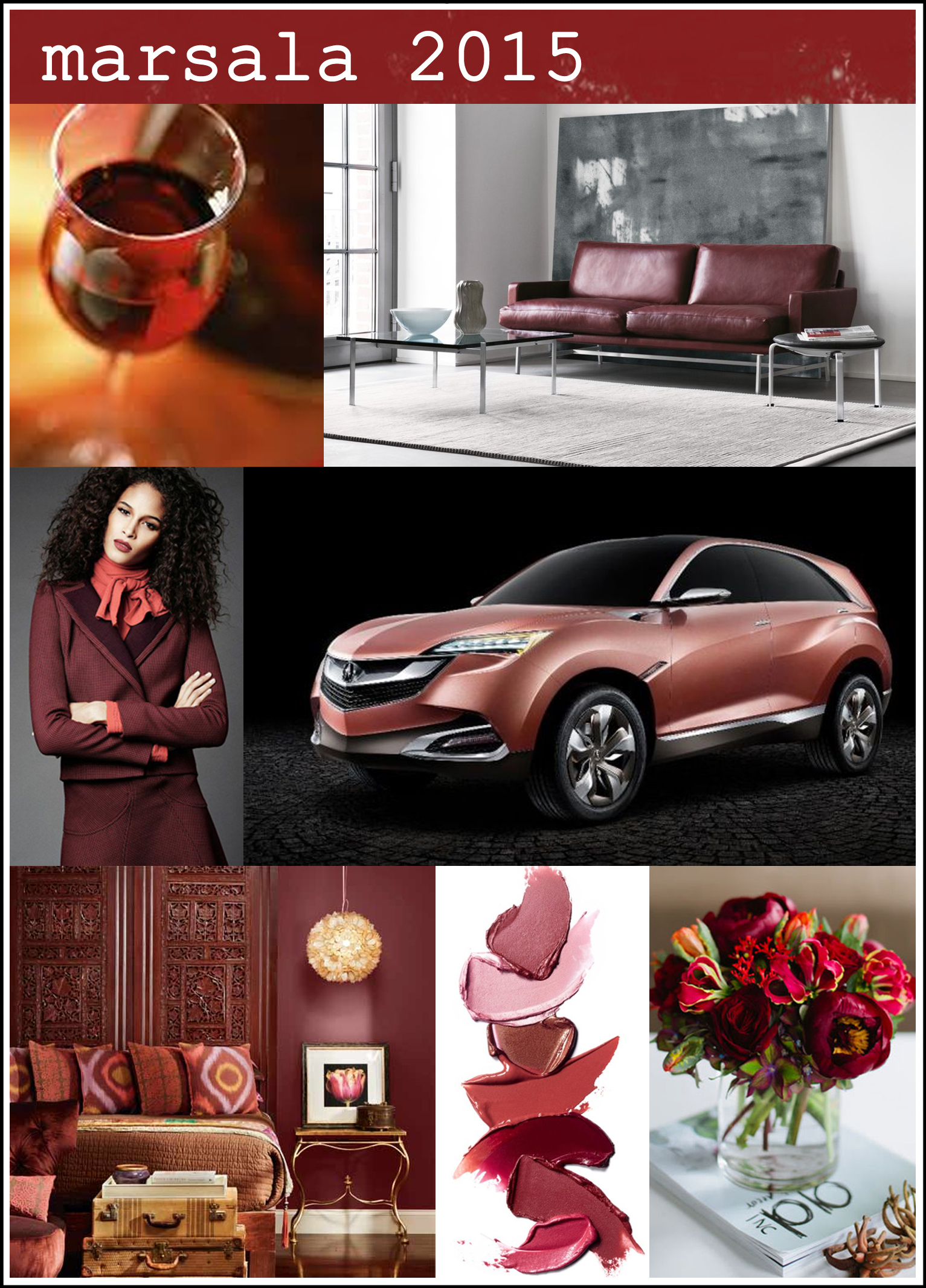
Our very first blog post of the year at Red Knot is the introduction of Pantone’s Color of 2015 — Marsala.

The hue is named after the Italian fortified dessert wine Marsala. Leatrice Eiseman, Executive Director of the Pantone Color Institute expressed that the warm brown and red undertone “gives the feeling of groundedness, strength, and confidence”.

This versatile color exudes sensuality, yet it is nurturing; will make a bold statement, yet it is still sophisticated. Marsala is also appealing to both men and women. In fashion, it’s open to experimentation from apparel, shoes, accessories, to beauty palettes. In home design, it can give any space the feeling of warmth and comfort, but depending on its surroundings, it still has the ability to transform an atmosphere into modern, transitional, vintage, and even playful!

We created an inspiration board to get you in the mood and take a sip of the biggest color trend of the year!

MarsalaInspirationBoard3

Here are some ideas to incorporate the color Marsala into your home.

*Eisemen also stated that Marsala is “nurturing and fulfilling”, therefore it is a “natural fit for the kitchen and dining room, making it ideal for tabletop, small appliances and linens throughout the home.”  Time to update those placemats, tableware, candles…

*It can also be a great color choice of paint in the bathroom, creating an elegant contrast between Marsala walls and that white sink and toilet seat.

*In the bedroom, Marsala can create a comforting and relaxing atmosphere by combining it with deep reds and browns.

*Even a small space could feel warm and cozy when Marsala is coordinated with other warm hues, such as reds, yellows, oranges and true browns.

*For a pop of color, think Marsala and turquoise! A turquoise sofa and accent chair with Marsala pillows (or vice versa), complete it with an accent rug in Marsala, teal, or yellow.

PantoneMarsala2


What do you think?  Love it?  We do!